
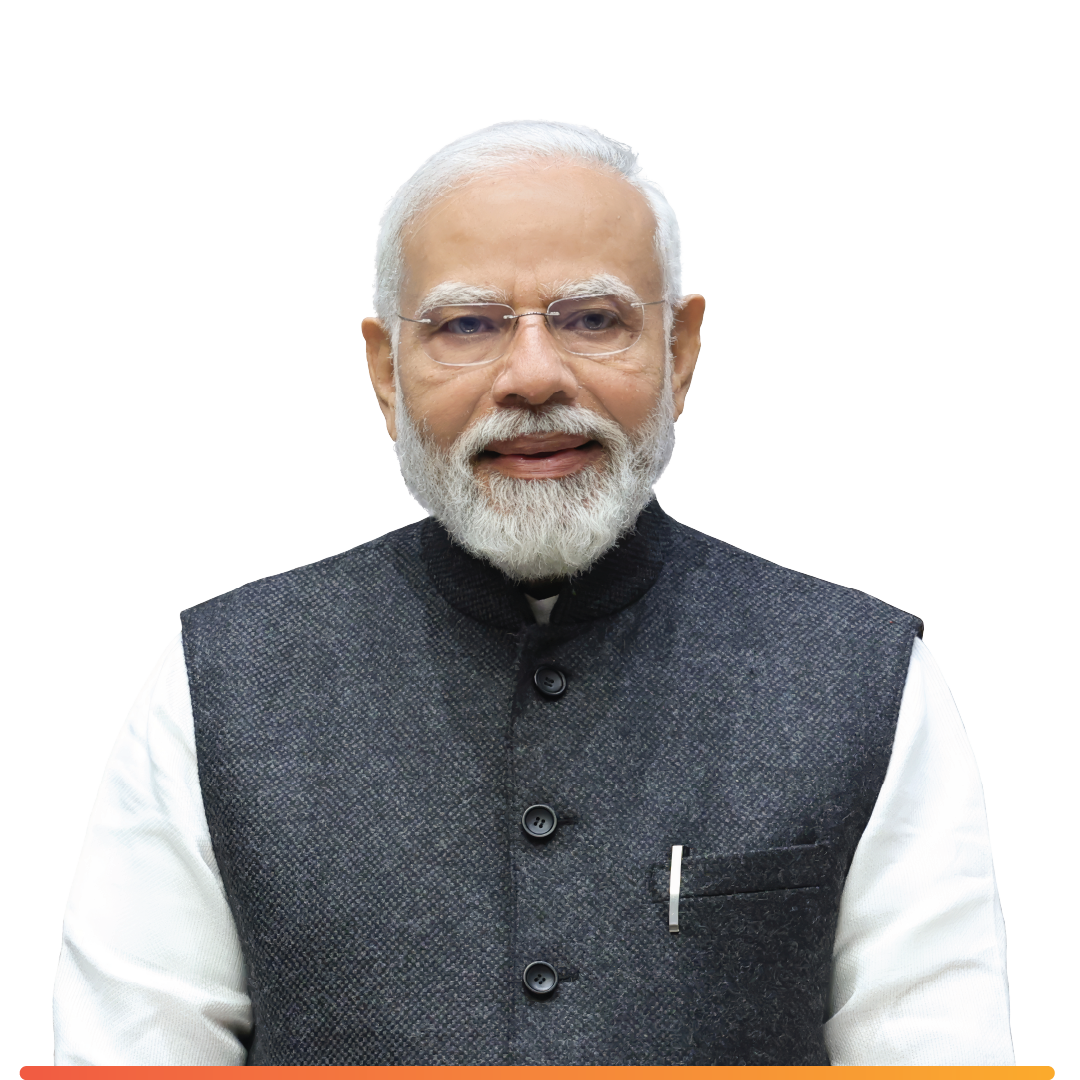

Chief Guest
- Smt. Droupadi Murmu Hon'ble President of India
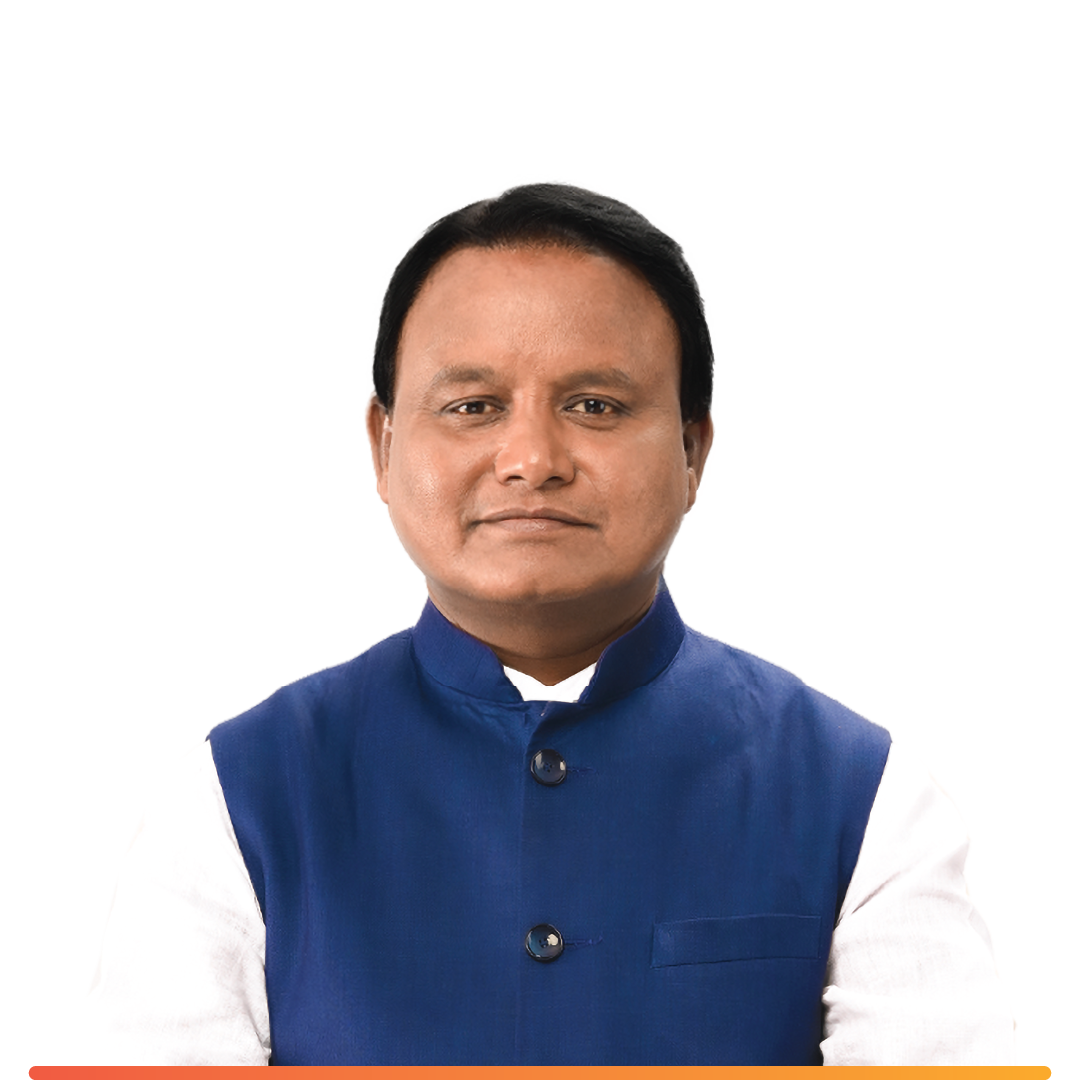
In The August Presence Of
- Shri Mohan Charan Majhi Chief Minister Odisha
- Dr Mukesh Mahaling Minister, Health and Family welfare, Parliamentary Affairs, Electronics & Information Technology Odisha
- Shri Suryabanshi Suraj Minister, Higher Education, Sports & Youth Services, Odia Language Literature & Culture Odisha
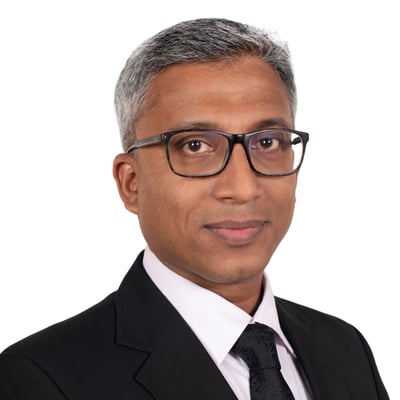
Pratyush Prasanna
Chief Executive Officer
Flip.id
Pratyush is the Managing Director of Flip.id - Indonesia's largest P2P payments company. Prior to this role. Pratyush was the Head of Merchant Payments at GoTo Financial where he oversaw GoTo Financial’s suite of merchant payment solutions, primarily their online payment gateway Midtrans and their offline point-of-sale device GoBiz PLUS.
Pratyush was the General Manager of Asia at Poynt, a point-of-sale terminal provider. Based in San Francisco, Singapore and Bangalore, he worked on defining products, point-of-sale applications, terminal management and new partner acquisition across a wide range of markets, covering India, Indonesia, Philippines, Singapore, Malaysia and Thailand.
Prior to that, Pratyush was the Vice President (Business and Payments) at Paytm, India’s most widely used payments app. As an early entrant in India’s payment ecosystem, he was involved in the formulation of UPI (India’s realtime payment rails).
Earlier in his career, he also worked for a range of other companies, including Xerox PARC and Microsoft.
Pratyush holds a MBA in Finance, Systems and Marketing from the Indian Institute of Management Calcutta and a Bachelor of Technology from the Indian Institute of Technology Kharagpur.
Speaking at
-
1:30–1:40pmThu 5 FebShowcase StageCrystal HallOpen
Accelerating Sector Transformation
Scaling Fintech in High-Friction Markets: Lessons from Indonesia
About this session
This keynote examines the similarities and differences between India and Indonesia as fintech markets, from scale and mobile adoption to how each country navigated fragmentation and standardisation. Drawing on experience across both markets, Pratyush Prasanna reflects on Indonesia’s journey from fragmented payments to QR-driven ubiquity, and what operating at scale looks like in high-friction environments.
-
3:00–4:15pmThu 5 FebBlack Swan DebatesCentral HallPremium
Accelerating Sector Transformation
Benchmarking India's FinTech Trajectory: Are we expecting a Black Swan Disruption triggered by AI-Tokenisation-Quantum in the Financial Services Industry?
-
 Pratyush PrasannaChief Executive OfficerFlip.id
-
 Debiprasad SarangiCo-founder & Chief Executive OfficeriServeU Technology
-
 Suvendu PatiChief General ManagerReserve Bank of India
-
 Saurav MohantyChief Risk OfficerNucleus Software Exports Limited
-
 Siddharth ShettyChief Executive OfficerFinternet Labs
-
 Anthony ThomasChief Strategy & Growth OfficerGlobal Finance & Technology Network (GFTN)Moderator
-
 Takeshi KitoCo-founder & Chief Executive Officer, GFTN JapanGlobal Finance & Technology Network (GFTN)Chair
About this session
India's FinTech ecosystem has evolved rapidly on the foundation of UPI, account aggregators, and digital lending. But as artificial intelligence, tokenization, and quantum computing converge at unprecedented speed, a critical question emerges: are we approaching a black swan disruption that could fundamentally transform or destabilize India's financial services industry within the next few years?
Black swan events are characterized by their extreme rarity, severe impact, and retrospective predictability. The convergence of AI-powered autonomous finance, comprehensive asset tokenization, and quantum computing presents precisely this profile: AI agents executing complex financial decisions without human oversight; every asset tokenized and settled instantly on decentralized rails; quantum algorithms simultaneously breaking current encryption systems while enabling previously impossible risk modeling and fraud detection.
First: Is this convergence genuinely a black swan threat/opportunity—extreme, unpredictable, and transformative—or are we overhyping predictable technological evolution? Second: If disruption is plausible or probable, how should India prepare? What infrastructure, regulatory frameworks, and strategic capabilities need strengthening now?
The session will explore actionable strategic planning: identifying early warning signals, stress-testing current infrastructure and regulatory frameworks against disruption scenarios, evaluating India's capability gaps, and defining concrete preparedness measures that position the country to either lead the transformation or build resilience against its destabilizing effects. -

